
Private Property Towing
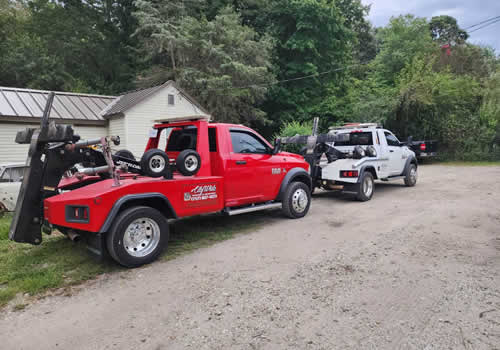
Private property towing refers to the practice of towing vehicles from privately owned land, often without the owner’s consent, in situations where the vehicle is parked illegally or violates property rules. This practice is typically regulated by local or state laws and can involve the towing of cars from parking lots, residential areas, or other privately owned spaces.
Key Aspects of Private Property Towing:
- Property Owner’s Rights: Property owners or managers often have the right to remove vehicles that are parked without permission, in restricted areas, or in violation of posted rules (e.g., no parking zones, fire lanes).
- Signage Requirements: In many jurisdictions, clear and visible signage must be posted to warn drivers that unauthorized vehicles will be towed. These signs typically include details about the towing company, such as its name and contact information.
- Towing Procedures: The towing company is often required to follow specific procedures, which may include notifying the vehicle owner, property owner, and sometimes law enforcement before or immediately after towing.
- Fees and Payments: The cost of retrieving a towed vehicle can vary, including charges for the tow itself, storage fees, and administrative costs. These fees are usually the responsibility of the vehicle owner.
- Legal Protections: Vehicle owners are typically protected from predatory or illegal towing practices by laws that regulate towing companies and their contracts with property owners. In some areas, vehicle owners may contest a tow if they believe it was improperly carried out.
- Disputes: If a vehicle owner believes their car was unfairly towed, they may have legal avenues to challenge the tow or recover expenses. This often involves contacting local law enforcement, filing a complaint with consumer protection agencies, or taking the matter to small claims court.
How Private Property Towing Works
Private property towing usually follows a structured process to ensure compliance with local regulations.
Step 1: Establish a Towing Agreement
Property owners or managers typically sign an agreement with a licensed towing company to enforce parking rules on their property.
Step 2: Post Proper Signage
Most jurisdictions require visible signage informing drivers that unauthorized vehicles may be towed. These signs often include:
-
Towing enforcement notice
-
Company contact information
-
Parking restrictions
Step 3: Monitor the Property
Property managers or towing companies monitor the parking area for violations such as unauthorized parking or vehicles blocking restricted areas.
Step 4: Vehicle Removal
If a violation occurs, the towing company removes the vehicle and transports it to a designated storage location.
Would you like more specific information, such as towing laws in a particular area?